When it comes to choosing the best trail shoes for men in 2026, the options can be overwhelming. Trail shoes men need to consider are designed for various terrains and conditions. A good pair should provide stability, comfort, and grip. Specific features such as cushioning and breathability also matter.
Many brands offer a range of styles. However, personal preferences and running conditions make the selection process complex. Some shoes may perform well on dry surfaces but fail in muddy environments. Reflecting on your running habits is vital. Are your trails rocky or smooth? This can impact your choice significantly.
A well-informed decision can enhance your running experience. Researching different models and reading user reviews adds to your knowledge. Rely on expert opinions but trust your instincts as well. The right trail shoes can make all the difference in your performance. So, take the time to find a pair that truly meets your needs.
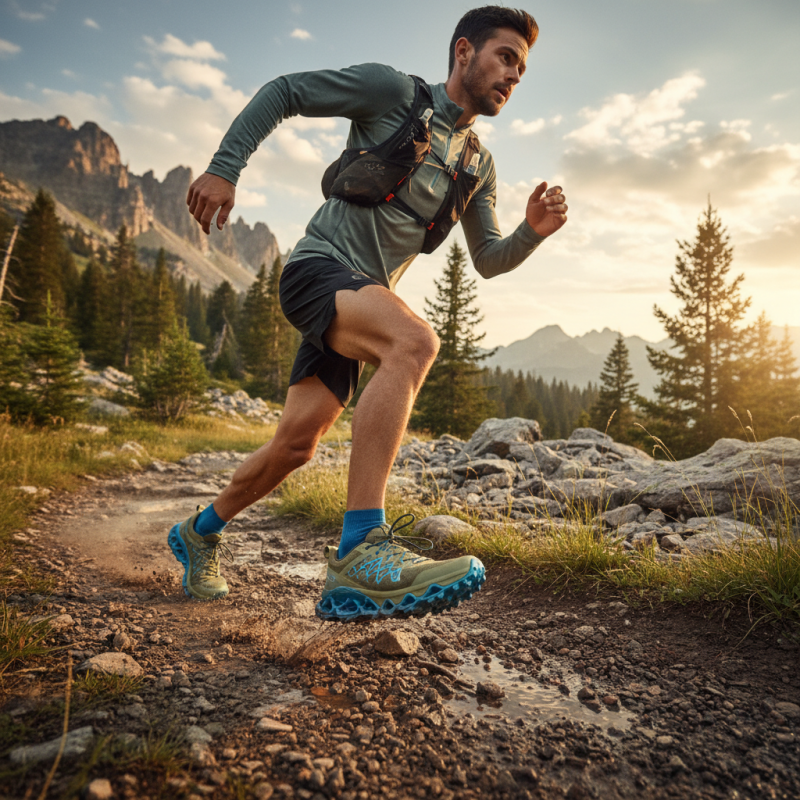
When choosing trail shoes, understanding the types is crucial. Trail shoes come in various designs, each catering to different terrains and conditions. Lightweight shoes are perfect for racing and short runs on smooth paths. They offer minimal cushioning but enhance speed. Conversely, heavy-duty shoes feature robust support and cushioning, ideal for rocky or uneven trails.
Look for features like traction patterns. Shoes with deeper lugs provide grip on slippery surfaces, while shallower tread suits dry paths. Breathable materials help keep your feet dry. However, some waterproof options add weight. A balance between durability and flexibility is essential.
Reflect on your running style and terrain preferences. Do you need more cushioning or stability? Many options will not meet every runner’s needs. Your comfort and fit are more important than technical specifications alone. Testing different styles can lead to the right decision, even if it requires trial and error. Choose wisely, and don’t rush; the right pair enhances your trail experience.
Choosing the right trail shoes is essential for enhancing performance. The fit and comfort of the shoe significantly influence your overall experience on the trails. When evaluating fit, ensure that the shoe is snug around the midfoot but allows room in the toe box. Your toes need to move freely, especially during long runs. A shoe that is too tight can cause blisters or discomfort.
Consider trying on shoes at the end of the day when your feet are slightly swollen for a more accurate fit.
Comfort level varies among individuals. Padded collars and breathable materials can enhance comfort. Pay attention to the shoe's cushioning. Too much cushioning may reduce stability, while too little can lead to fatigue. Don't overlook arch support either. It should align with your foot's natural arch. If you feel pain or instability during a test run, rethink your choice. A good fit should feel almost like a second skin, not restrictive or loose. Trust your instincts. If something feels off, it likely is.
Choosing trail shoes is a personal journey. Everyone has unique foot shapes and preferences. Take the time to read reviews and gather insights, but prioritize your comfort above all. Each trail presents a different challenge. The right shoes can make a significant difference in your performance and enjoyment. Find what works for you and embrace the adventure.
Choosing the right materials in trail shoes can significantly boost durability. Most trail shoes feature a combination of synthetic fabrics, rubber compounds, and protective overlays. For instance, shoes made from high-abrasion mesh can resist tears and offer breathability. It's crucial to look for shoes that have quality stitching as well. Poor stitching can lead to rapid wear and tear.
Rubber outsoles are vital for traction on different terrains. The composition of rubber can affect grip and longevity. Softer rubbers often provide better traction but may wear out quicker. On rocky trails, a firmer rubber may sustain performance longer but can feel less cushioned. Understanding this trade-off can help you choose wisely.
The midsole is another key component that impacts both comfort and durability. EVA foam is common for cushioning, but over time, it can compress and lose effectiveness. Some shoes incorporate polyurethane for enhanced durability. However, these can feel stiffer. Seeking the right balance between comfort and sturdiness is essential. Reflecting on your needs can lead to a better decision.
When choosing trail shoes for various conditions, traction and grip are crucial. In 2026, studies reveal that specialized outsoles significantly enhance performance. Shoes designed for mud have deeper lugs, while those for rocky terrains often feature a flatter profile. This design difference affects grip levels directly, which is vital for stability.
Research indicates that 76% of injuries in trail running come from slips and falls. Shoes with rubber formulations that provide superior grip can greatly reduce these risks. For instance, shoes with sticky rubber compounds enhance traction on wet surfaces. Most athletes recommend testing shoes in different trail conditions to assess their performance.
However, personal preference plays a role. Not every shoe works for every runner. Feedback shows that while some prefer a firmer grip, others favor a balance between cushion and support. It's essential to reflect on your own experiences and adjust your choices accordingly. Each trail may demand a different approach. Understanding these factors can lead to better decisions in selecting trail footwear.
Choosing the right trail shoes involves recognizing the technologies that enhance performance. Recent industry reports indicate that shoe materials, cushioning, and traction are critical factors. Lightweight fabrics improve breathability, while responsive cushioning helps reduce fatigue during long runs.
Traction technologies are also evolving. According to a 2023 study, shoes with multi-directional lugs provide better grip on varied surfaces, enhancing stability. This is vital for men who tackle rugged trails. Additionally, waterproofing features can make a big difference in wet conditions, helping to keep feet dry.
Tips: Check the shoe's weight. Lighter options can improve speed on the trail. Look for fit; a snug, yet comfortable shoe reduces blisters. Experimenting with different features can guide your decision, but beware of overly cushioned options. These may lead to instability on uneven terrain.
: Trail shoes often combine synthetic fabrics, rubber compounds, and protective overlays. They enhance durability.
High-abrasion mesh resists tears and enhances breathability. This feature is important for comfort in various conditions.
Quality stitching prevents rapid wear and tear. Poor stitching can lead to quicker deterioration of the shoes.
Rubber outsoles provide essential traction. Softer rubbers offer better grip, but they may wear out faster.
Midsoles impact cushioning. EVA foam feels comfy but compresses over time, while polyurethane is more durable but stiffer.
Different designs cater to specific conditions. Testing shoes helps assess grip and stability for safer trail running.
Studies show that 76% of injuries arise from slips and falls. Proper shoe selection can significantly mitigate these risks.
Not every shoe fits every runner. Some prefer firmer grip, while others want a balance of cushion and support.
Yes, each trail demands different features. Understanding these can guide better footwear choices for varied conditions.
Reflect on your needs, comfort, durability, and the specific trail conditions. Each aspect can influence your decision.
When choosing the best trail shoes men will need in 2026, it is essential to understand the various types available, each designed with specific features that cater to different trail conditions and individual preferences. A proper fit and comfort are crucial for optimal performance, allowing for longer runs and hikes without discomfort.
Additionally, the materials used in trail shoes significantly impact their durability, making it necessary to evaluate options that can withstand rough terrains. Assessing traction and grip is also key, as different trails can vary in difficulty, requiring shoes that provide stability and confidence on uneven surfaces. Finally, identifying essential technologies that enhance performance—such as cushioning, breathability, and waterproofing—can further aid in making an informed decision for the best trail shoes men should consider for their outdoor adventures.
