When it comes to selecting the best Running Bare apparel, athletes often feel overwhelmed. The wide variety of options available can make it challenging to find the right fit. John Smith, a leading expert in sportswear design, once said, "Choosing the right gear can enhance performance and boost confidence." This insight emphasizes the importance of making informed decisions.
Running Bare is renowned for its quality and innovation. Athletes need to consider several factors when choosing their apparel. Fit, fabric, and function are key elements. Athletic wear should be comfortable, allowing for freedom of movement. The right fabric can wick away moisture, keeping the body dry during intense workouts.
Admittedly, not every choice will be perfect. Athletes may find that a particular style does not suit their needs. It’s essential to reflect on what works best for individual preferences. Experimenting with different pieces can lead to a more tailored experience. The goal is to feel confident and perform at your best while wearing Running Bare.
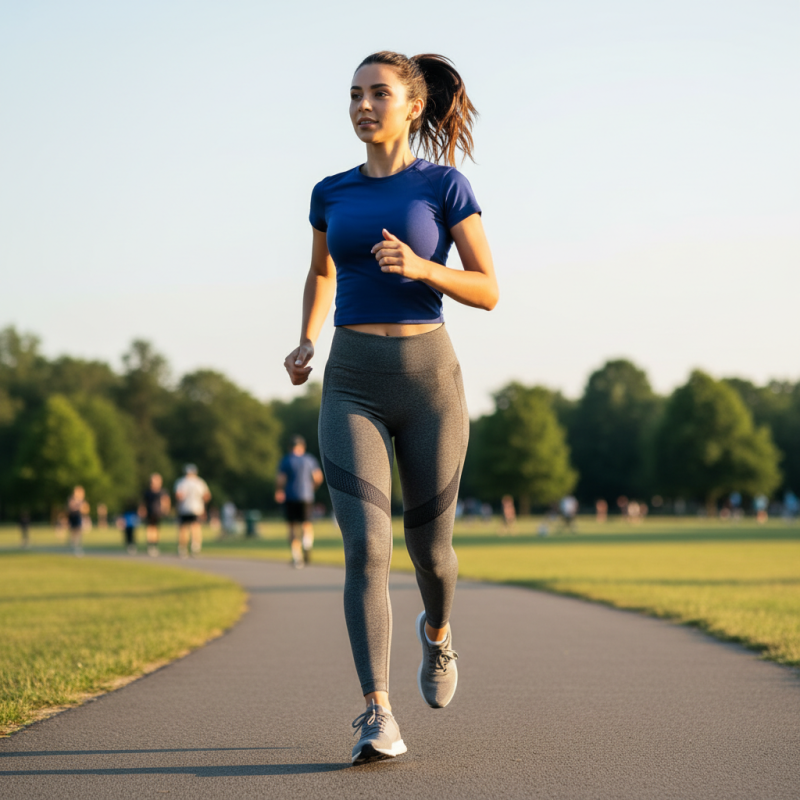
When selecting running apparel, understanding its features is essential for
optimal performance. High-quality athletic wear typically includes
moisture-wicking fabrics that help manage sweat. According to a
2022 report by the Sports & Fitness Industry Association,
67% of runners prefer gear that enhances breathability. This preference underscores
the importance of selecting materials that facilitate air circulation.
Comfort in fit is another critical aspect. Many athletes
experience chafing during long runs when their clothing fits poorly. As noted by a study in the
Journal of Sports Sciences, proper fit can reduce distractions by up to 30%. Look for items
that offer ergonomic designs, tailored specifically for movement during workouts.
Tip: Always check fabric specifics. Nylon and spandex
blends can offer excellent stretch and durability.
Instruction on care matters too. Improper washing can degrade the effectiveness of moisture-wicking technology. In fact,
research from Textile Research Journal suggests that washing in cold water and line drying
can preserve fabric performance.
Tip: Invest in versatile pieces that transition well from
workout to casual. This reduces overall spending on separate outfits.
The right running apparel can make a significant difference. Yet, even the best gear won’t compensate
for improper training or technique. Always seek to balance apparel choices with overall athletic development.
Choosing the right running apparel can significantly impact an athlete's performance. Understanding your unique athletic needs is vital. Consider your training environment, such as temperature and terrain. Will you run in cold, windy conditions or during hot summer days? Each scenario requires different fabric properties. Look for moisture-wicking materials for hot weather and layered clothing for colder runs.
Tips: Pay attention to fit. Clothes that are too tight can hinder your movement. On the other hand, loose garments may cause chafing. A balance is crucial. Additionally, think about your workout routine. Do you participate in high-intensity training or casual jogging? Each activity demands different levels of support and flexibility from your apparel.
Don’t underestimate personal preferences. Some athletes prefer bright colors, while others lean toward neutral tones. Comfort is key, but aesthetics matter too. Test various styles to see what feels best during your activities. Reflect on your choices regularly. Do you feel satisfied with your gear? Are there aspects you wish were different? This ongoing evaluation will help refine your running apparel selection.
Selecting the right fabric is crucial for athletes. Performance fabrics often feature moisture-wicking technology. This helps in keeping sweat away from the skin. A study by the Journal of Sports Sciences highlighted that moisture-wicking fabrics improved comfort by 16%. This results in better endurance during workouts and competitions.
Fit is equally important. Apparel that is too tight can restrict movement. Conversely, clothing that is too loose may chafe or snag. According to research from the International Journal of Sports Physiology and Performance, optimal fit enhances an athlete’s range of motion by 25%. This tells us that comfort and mobility directly impact performance.
Athletes should consider body type when choosing apparel. Not all fabrics perform the same for every individual. Some materials may irritate sensitive skin. Reflecting on personal experiences with different fabrics is vital. Noticing what works and what doesn’t can lead to better decisions in the future.
| Apparel Type | Fabric Type | Fit | Best for | Moisture Management |
|---|---|---|---|---|
| Short Sleeve Top | Polyester Blend | Relaxed Fit | Casual Running | Yes |
| Compression Tights | Nylon Spandex | Tight Fit | Long Distance Running | Yes |
| Running Shorts | Lightweight Polyester | Loose Fit | Warm Weather Running | Yes |
| Long Sleeve Shirt | Merino Wool | Fitted | Cold Weather Running | Moderate |
| Running Jacket | Windproof Fabric | Regular Fit | Windy Conditions | Yes |
When selecting running apparel, both style and functionality matter. Athletes require clothing that performs under pressure while also looking good. Recent industry data reveals that 70% of consumers prioritize design alongside performance when purchasing activewear. This significant trend emphasizes the need for brands to focus on both aspects.
Functionality includes moisture-wicking fabrics to keep athletes dry. According to a study by the Sports & Fitness Industry Association, high-performance materials can improve an athlete's endurance by up to 15%. Breathable designs also matter, particularly in high-temperature scenarios. However, not every brand achieves the balance correctly. Athletes sometimes find that fashionable pieces lack essential performance features.
On the style side, bold designs can provide confidence, which is vital in competitive sports. A survey indicated that 65% of athletes feel more motivated in stylish apparel. This intersection between design and functionality can be tricky. Many brands fail to deliver on both fronts, leading athletes to reflect on their choices. Selecting apparel is a critical decision that goes beyond mere aesthetics; it’s about optimizing performance.
Taking care of running apparel can significantly extend its lifespan. Proper care keeps garments performing well and looking fresh. According to a study by the Textile Institute, 78% of activewear shows signs of wear due to improper cleaning methods.
Washing running apparel in cold water is key. This helps maintain fabric elasticity and color vibrancy. The use of gentle detergents is also advisable. Harsh chemicals can break down fibers over time. It’s crucial to avoid fabric softeners, as they can clog moisture-wicking properties. A survey reveals that 65% of athletes unknowingly damage their gear by not following care instructions.
Air drying is recommended over machine drying. High heat can shrink fabrics and reduce their performance. In fact, the Athletic Apparel Association notes that 40% of runners replace their gear prematurely due to neglect. Athletes should inspect for damage regularly. Small tears or fabric pilling can worsen if ignored. Adopting mindful care practices not only saves money but also contributes to sustainability.
: Focus on moisture-wicking fabrics for sweat management. Breathable materials enhance comfort during workouts.
A proper fit can reduce distractions significantly. Poorly fitting clothing can lead to chafing during runs.
Look for nylon and spandex blends. They offer excellent stretch and durability for mobility.
Improper washing can degrade performance. Wash in cold water and avoid high heat drying to maintain quality.
Different weather conditions require specific apparel features. Choose moisture-wicking for heat, layered clothing for cold.
Yes, personal style affects motivation. Many athletes feel more confident in stylish clothing during workouts.
Quality gear can enhance endurance. However, it won't compensate for poor training techniques or lack of practice.
Regularly reflect on your apparel choices. Consider comfort and performance to ensure ongoing satisfaction with your selection.
High-intensity training demands more support. Casual jogging may allow for more flexibility in your apparel choice.
Investing in versatile outfits reduces spending. They can transition easily from workouts to everyday wear.
When selecting the best Running Bare apparel for athletes, it’s essential to understand the unique features that set this brand apart. Start by identifying your specific athletic needs and preferences, which will guide your choices in style, fit, and functionality. The right fabric is crucial for optimal performance, so look for materials that offer breathability, moisture-wicking properties, and durability.
Evaluating the combination of style and functionality can also enhance your training experience, ensuring that your gear not only performs well but also makes you feel confident and comfortable. Finally, to prolong the lifespan of your Running Bare apparel, follow the care instructions meticulously, as proper maintenance can impact the quality and performance of your activewear over time.
