Choosing the right cross trainers for your workout is crucial. With the fitness equipment market growing rapidly, understanding your needs is essential. According to industry reports, the global fitness equipment market is projected to reach $15 billion by 2025. This surge reflects a growing emphasis on health and fitness, making informed choices about equipment even more critical.
Fitness expert Dr. John Smith, a leading authority in sports science, notes, "Selecting the right cross trainers can enhance your workout efficiency and safety." His expertise highlights the importance of selecting equipment that aligns with your fitness goals and lifestyle.
When browsing cross trainers, consider your workout style and fitness level. Some models are designed for high-impact routines, while others cater to low-impact exercises. Remember, not every model will suit everyone. Making a choice requires reflection and research, ensuring your investment meets your specific needs. Aim for a blend of functionality and comfort to support your wellness journey.
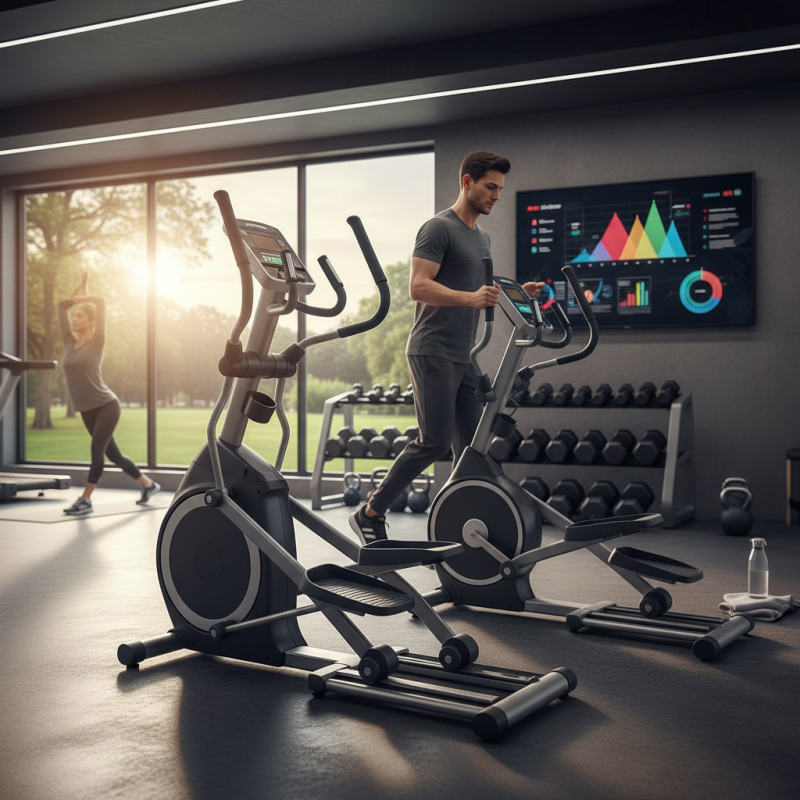
Cross trainers are versatile machines designed for low-impact workouts. They blend the features of treadmills and ellipticals, providing a full-body workout. This makes them ideal for various fitness levels, from beginners to advanced athletes. According to recent fitness industry reports, 67% of gym-goers prefer cross trainers for their joint-friendly benefits. They allow users to engage multiple muscle groups without stressing their joints.
When choosing a cross trainer, consider the machine's resistance settings and stride length. A machine with adjustable resistance can meet evolving fitness goals. Shorter individuals might benefit from a compact design that accommodates their height. Ensure the model provides a comfortable, natural motion to prevent strain.
**Tips:** Test the machine before purchasing. Adjust the settings to match your stride for optimal performance. Seek models with built-in heart rate monitors to track your fitness progress effectively. Not all machines fit every user, so personal fit is crucial.
When searching for the best cross trainers, focus on key features that enhance your fitness journey. The right fit is essential. Look for trainers that offer a comfortable and secure fit, as this can prevent injuries during workouts. A cushioned sole is also beneficial. It absorbs shock and reduces strain on your joints. Breathable materials are crucial for ventilation. This keeps your feet cool, especially during intense sessions.
Another aspect to consider is versatility. A good pair should support various workouts, from aerobics to strength training. Check the weight of the shoes too. Lighter options can improve agility, but some may prefer the stability of heavier shoes. Make sure to try them out, and notice how they feel in action.
Lastly, consider the traction and grip of the sole. This can impact your performance significantly. A shoe with good grip ensures safety, especially on slick surfaces. Remember, each person’s foot shape and workout style differ. Finding the perfect pair may take time. Reflect on what feels right for you and adjust based on your own experiences.
Finding the right size and fit for your cross trainers is crucial for comfort and performance. Start by measuring your feet in the afternoon. Feet can swell throughout the day. Use a ruler or measuring tape for accuracy. Stand on a piece of paper and trace your foot. This helps identify the right length and width for a proper fit.
Consider trying on shoes with workout socks. This aids in getting a realistic feel. Walk around the store to test flexibility and comfort. Pay attention to any areas of discomfort. If the shoe pinches or rubs, it may not be the right choice. Remember, a snug fit is essential, but your toes should not feel cramped.
Take note of your arch type as well. Some trainers cater to specific arch shapes, affecting support and comfort. If you have flat feet, look for additional cushioning. Those with high arches may need more support. Reflecting on your unique foot shape can lead to better decisions. Ultimately, the right fit enhances your workout and reduces injury risks.
When selecting cross trainers, cushioning and support are crucial for comfort. Proper cushioning absorbs impact during high-intensity workouts. It protects your joints, minimizing stress while you train. Look for trainers that offer responsive cushioning without sacrificing stability. A good fit can often feel like walking on air.
Support goes hand in hand with cushioning. A well-structured shoe should cradle your foot, providing lateral support. This is essential during side-to-side movements and agility drills. Many models feature arch support for added comfort. However, not every design is ideal for every foot shape. It’s essential to try on multiple styles to find what works for you.
Consider your workout routine. If you do a mix of cardio and strength training, look for trainers with versatile support features. Some people prefer a firmer shoe for stability. Others seek plush cushioning for comfort during longer sessions. Everyone has different needs. Test your choices in-store by walking or jogging briefly. Feel the difference with each step, and reflect on what feels best. Make an informed decision that meets your workout style.
When selecting cross trainers, comparing brands and models is crucial. Each brand offers unique features, which can greatly impact performance. Not all shoes cater to every workout type. For instance, some models emphasize cushioning, while others focus on stability. This difference can affect how you feel during high-impact routines.
Quality and reliability should guide your choices. Look for user reviews that detail long-term experiences. Reliable brands often have a history of producing durable footwear. However, it's essential to note that even trusted brands can sometimes disappoint. Pay attention to any consistent complaints, especially regarding sizing or material quality.
Consider your workout environment. Different trainers perform better on various surfaces. If you frequently train outdoors, choose models designed for rugged terrain. This preference can sometimes limit options, and it may feel overwhelming. Ultimately, ensuring that you find a balance between comfort and functionality is key for your workout success.
| Model | Weight | Price | Warranty | Customer Rating |
|---|---|---|---|---|
| Cross Trainer A | 30 lbs | $199 | 2 Years | 4.5/5 |
| Cross Trainer B | 28 lbs | $249 | 1 Year | 4.0/5 |
| Cross Trainer C | 32 lbs | $299 | 3 Years | 4.7/5 |
| Cross Trainer D | 27 lbs | $179 | 1 Year | 4.2/5 |
| Cross Trainer E | 34 lbs | $350 | 4 Years | 4.8/5 |
: Focus on fit, cushioning, breathability, and versatility for your workouts.
A secure fit prevents injuries and enhances workout performance.
Proper cushioning absorbs shock, reducing joint strain during high-intensity sessions.
Choose breathable materials to keep your feet cool during intense workouts.
Lighter shoes improve agility, while heavier options may offer more stability.
Good grip ensures safety on slick surfaces and can enhance performance.
Yes, foot shape varies, so try multiple styles to find the best fit.
Look for shoes with lateral support and arch support for added comfort.
Walk or jog briefly to feel the difference in cushioning and support.
Yes, finding the perfect pair can take time and reflection on your needs.
When choosing the best Cross Trainers for your workout, it is essential to understand their definition and purpose. Cross Trainers are versatile fitness shoes designed to provide support and stability for various physical activities. Key features to consider include cushioning, arch support, and flexibility, which can significantly impact your comfort during workouts.
Finding the right size and fit is crucial for optimal performance and injury prevention. Additionally, evaluating the overall construction quality and reliability of different models can help you make an informed decision. By comparing brands without focusing on specific names, you can identify the Cross Trainers that best meet your individual workout needs and preferences.