Essential Tips for Choosing the Best Hiking Sneakers?

Time:2026-05-01 Author:Amelia
0%

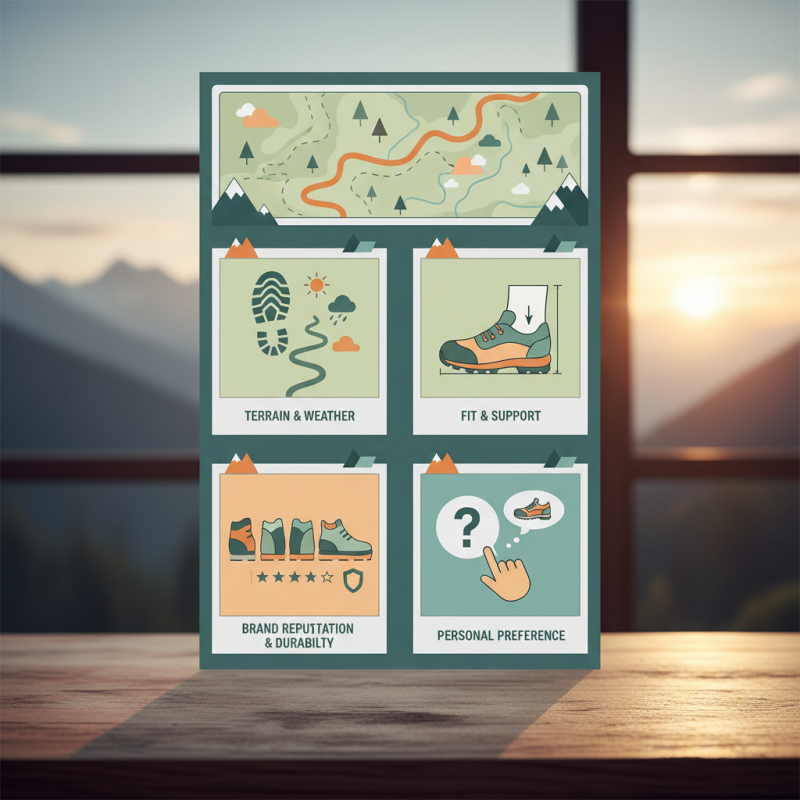
When it comes to outdoor adventures, choosing the right hiking sneakers is crucial. The right pair enhances comfort and protects your feet during long treks. Understanding the terrain and weather conditions is equally important. These factors directly impact your choice of hiking sneakers. Lightweight options are great for dry trails. However, if you find yourself on rocky paths, sturdier shoes are necessary.

Many hikers overlook the significance of fit. A proper fit prevents blisters and foot fatigue. It’s vital to try on different styles and sizes. Consider the type of support you need too. Some sneakers offer better arch and ankle support than others.

Research brand reputations before making a decision. A well-reviewed sneaker often reflects quality and durability. Yet, personal preference plays a significant role. Trust your instincts when choosing. Not every popular sneaker will fit everyone perfectly. Hiking sneakers should feel like an extension of your foot, giving you confidence on your journey.
Essential Tips for Choosing the Best Hiking Sneakers?

Understanding Your Hiking Environment and Terrain Types

When selecting hiking sneakers, understanding the terrain is crucial. Different environments demand specific features in footwear. For rocky trails, look for sneakers with robust soles. They should provide grip and protect against sharp stones. If you're hiking in wet conditions, prioritize water-resistant materials. A sneaker with good drainage can prevent discomfort.


Consider the elevation and climate of your hiking spot. Steep, mountainous trails might require additional ankle support. Lighter sneakers could be better for flat, dry paths. Assess how often you hike too. Beginners may need more cushioning, while seasoned hikers can opt for minimalistic styles. A well-informed choice will enhance your experience.


Don't overlook fit and comfort. Try on sneakers at the end of the day, as your feet swell. This practice ensures a better match. Reflecting on past hikes can help you make informed choices. Consider how your footwear performed. Was there discomfort? Did you slip? Learning from those experiences can guide future selections.

Key Features to Look for in Hiking Sneakers

When selecting hiking sneakers, several key features can greatly influence your experience. Comfort is paramount. No one wants sore feet after a long trek. A shoe should offer adequate cushioning and arch support. According to the Outdoor Industry Association, 65% of hikers report discomfort, directly impacting their enjoyment. This statistic emphasizes the importance of finding the right fit.

Traction is another critical feature. A good outsole made from durable rubber can significantly enhance grip on various terrains. A study by the American Society for Testing and Materials indicates that shoes with deep lugs provide better stability on slippery surfaces. Therefore, consider the tread pattern when making your choice. The wrong tread can lead to slips and falls.

Water resistance can't be overlooked. Wet feet can ruin a hike. Many hikers prefer breathable materials that keep feet dry while allowing ventilation. This balance is essential for comfort and reducing blisters. Awareness of these features can aid in making informed decisions amidst myriad choices. Remember, the perfect sneaker for one may not work for another due to individual foot shape and hiking style.

Evaluating Fit and Comfort for Long-Distance Hiking

When choosing hiking sneakers, fit and comfort are key. Proper fit is crucial for long days on the trail. Too tight or too loose shoes can cause blisters, fatigue, and discomfort. Take your time to try on various pairs. Walk around the store. Pay attention to how your foot feels. If they pinch or rub, move on.

Consider the type of hiking you'll do. Look for shoes with good arch support and cushioning. If you're hiking on rocky terrain, choose a sneaker with a sturdy sole. Evaluate the toe box as well. It should allow your toes to wiggle comfortably.

Tip: Break in your sneakers before a long hike. Wear them around the house or on short walks. This helps prevent discomfort on your big adventure. Listen to your feet. If something feels off, reassess your choice. A great fit ensures you enjoy the journey without pain.

Essential Tips for Choosing the Best Hiking Sneakers

This chart illustrates key evaluation criteria for selecting the best hiking sneakers, highlighting their importance in fit, comfort, breathability, weight, durability, and traction for long-distance hiking. The percentage values represent the relative importance of each criterion.

Material and Durability: Choosing the Right Sneaker Construction

When selecting hiking sneakers, material and durability are crucial factors. The right construction can significantly impact your comfort and performance on rugged terrains. Research from the Outdoor Industry Association indicates that improper footwear can lead to 70% of hiking injuries. The design elements, such as fabric type and sole material, directly influence your foot's stability.

Synthetic materials like nylon and polyester offer lightweight durability. These fabrics resist moisture and wear, making them ideal for long hikes. Meanwhile, rubber soles provide traction and flexibility, essential for uneven surfaces. A study by the American Hiking Society highlights that sneakers with adequate grip reduce slip-and-fall incidents by 30%. Footwear that incorporates breathable mesh can help regulate temperature, reducing fatigue during extended outings.

While these factors are important, users often overlook the need for a proper fit. Shoes that don’t accommodate individual foot shapes can cause blisters and discomfort. It’s essential to consider not only the aesthetic but also how the sneakers respond to your unique gait. You may find a sneaker that excels in durability yet feels restrictive. Evaluating your needs and testing different options will enhance your hiking experience.

Budgeting for Quality: Finding Value in Hiking Sneakers

When searching for quality hiking sneakers, budgeting is crucial. A survey by the Outdoor Industry Association highlights that many consumers are willing to invest between $100 and $200 for durable footwear. This amount can significantly enhance your hiking experience. Quality sneakers can prevent injuries and discomfort, which cheaper options may not offer.

Consider the materials used in hiking sneakers. High-quality models often feature Gore-Tex or Vibram soles, which provide better traction and waterproofing. While these sneakers may be pricier, their longevity can justify the investment. A study from the Journal of Sports Sciences reveals that proper footwear reduces the risk of ankle injuries by up to 40%.

However, there’s a temptation to cut costs. Some budget sneakers may not provide adequate support or cushioning. Reviews often point out that sacrificing quality for a lower price can lead to blisters or lack of support over long hikes. It's worth reflecting on how much you value comfort and injury prevention when choosing your footwear. Think about your hiking habits and choose wisely.

FAQS

: Why is understanding the terrain important when choosing hiking sneakers?

: Terrain affects sneaker performance. Rocky trails need robust soles for grip and protection.

What should I look for in sneakers for wet conditions?

Choose water-resistant materials with good drainage. This helps prevent discomfort during hikes.

How does elevation influence sneaker choice?

Steep trails may require additional ankle support. Lighter sneakers are better for flat, dry paths.

Why is fit important for hiking sneakers?

A poor fit can cause sore feet. Try sneakers on at the end of the day for the best fit.

How can past hiking experiences help in choosing sneakers?

Reflect on discomfort or slipping. These reflections can guide you towards better footwear choices.

What is a key feature to enhance grip on various terrains?

Look for sneakers with durable rubber outsoles. Deep lugs improve stability on slippery surfaces.

How does cushioning affect hiking comfort?

Adequate cushioning and arch support reduce foot fatigue. Discomfort can significantly impact enjoyment.

Why is breathability important in hiking sneakers?

Breathable materials keep feet dry while allowing ventilation. This reduces the risk of blisters.

Can personal foot shape affect sneaker choice?

Yes, every person's foot shape is unique. The perfect sneaker varies from one individual to another.

What is the common problem hikers face with their footwear?

Many hikers report discomfort after long treks. Finding the right fit is crucial to avoid this issue.

Conclusion

When choosing the best hiking sneakers, it's crucial to understand the specific environment and terrain you will encounter. Different terrains demand varying features, such as traction, support, and waterproofing. Key features to look for in hiking sneakers include robust soles for grip, breathable materials for comfort, and cushioning to protect your feet during long treks.

Additionally, evaluating fit and comfort is essential, especially for long-distance hikes, as blisters or discomfort can ruin your adventure. The construction material of hiking sneakers greatly influences their durability, so opting for resilient materials can prolong their lifespan. Lastly, budgeting wisely allows you to find value in hiking sneakers without compromising on quality, ensuring you get the best performance for your outdoor activities.

Amelia

Amelia

Amelia is a seasoned marketing professional with a wealth of expertise in our company’s core offerings. With an unwavering passion for driving growth and innovation, she plays a pivotal role in shaping our marketing strategies and enhancing brand visibility. A key aspect of her responsibilities......