Women’s runners have become a cornerstone for serious female athletes in recent years. The increasing participation of women in competitive running is reflected in studies by organizations like the National Sporting Goods Association. They report a remarkable 25% rise in women participating in running events since 2010. This surge underscores the significance of women’s runners in the athletic landscape.
Women’s runners provide not just performance gear but also a sense of community and belonging. Female athletes often face unique challenges, from societal pressures to body image concerns. A well-fitting pair of women’s running shoes can boost confidence. Yet, many runners still struggle with finding the right footwear, which can lead to injuries or declines in performance.
Moreover, the lack of representation in the running industry remains a challenge. While there have been improvements, many products do not fully cater to the biomechanics of women’s feet. This gap emphasizes the ongoing need for specialized women’s runners. Bridging this gap ensures that female athletes have the tools and support to excel in their sport.
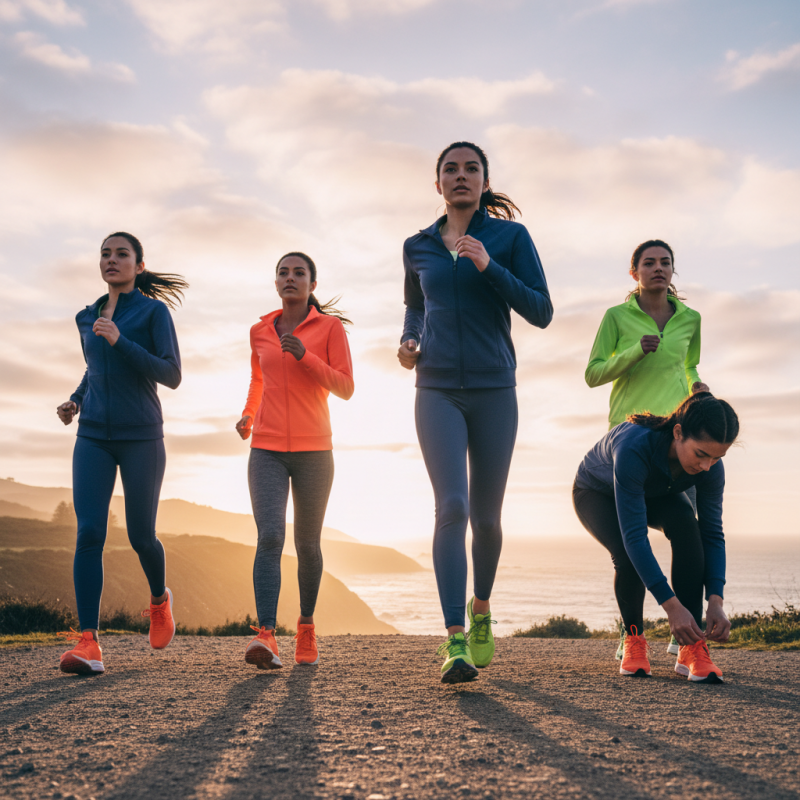
Proper footwear is crucial for female runners. In fact, studies indicate that women are four times more likely to experience running-related injuries than men. Part of this risk stems from improper shoe selection. A well-fitted running shoe can provide support and reduce the chance of injuries. According to the American College of Sports Medicine, choosing the right shoe can significantly impact performance and comfort.
Women’s feet have distinct anatomical differences compared to men’s. For instance, many women have a wider forefoot and narrower heel. These characteristics require footwear designed specifically for female runners. Research shows that the right shoes can decrease the incidence of stress fractures and tendonitis. Moreover, a report from the Journal of Orthopedic Research highlights that women who use properly fitted shoes report higher satisfaction levels and improved performance.
Many female athletes may overlook their footwear. They often focus on training intensity or nutrition, neglecting this vital aspect. This mistake can lead to long-term issues. A survey conducted by the Running Network revealed that 70% of female runners were unaware of the specific features they should seek in shoes. This lack of knowledge can hinder their athletic progress. It’s essential for serious female athletes to prioritize their footwear choices.
Women’s runners play a crucial role in enhancing performance and comfort for serious female athletes. Research indicates that the right footwear significantly affects running metrics. A study from the Journal of Sports Science found that properly fitted shoes can improve running efficiency by up to 5%. This is essential for athletes who demand peak performance.
Comfort is equally vital. Inconsistent cushioning can lead to fatigue and risk of injury. According to a survey by Running USA, 76% of female runners reported that shoe comfort affects their training consistency. Yet, many athletes wear ill-fitting shoes, often due to a lack of awareness about women's specific biomechanics. Women tend to have wider forefeet and narrower heels, which impacts shoe design. Thus, inadequate options can limit their performance and increase discomfort.
The need for better research and product options is evident. Data from the Women's Sports Foundation suggests that only 27% of sports shoe offerings cater specifically to women. This gap highlights an area for improvement. It raises important questions about how the industry can better meet the needs of female athletes, ultimately supporting their growth and success in the sport.
The design of women's running shoes is significantly different from men's. This isn't just about aesthetics; it's about functionality. Women's feet are generally narrower with a different arch location. Studies show that 65% of female runners experience injuries related to improper footwear. This highlights the importance of tailored options.
Weight distribution also plays a role. Women typically carry more weight in their hips, affecting how they run. Research indicates that custom-fit shoes can reduce injury rates by up to 30%. The right cushioning and support are vital for these athletes, impacting their performance and comfort.
However, many women still wear unisex shoes, leading to discomfort and possible injuries. Only a minority truly understand the importance of proper fit. As a community, we need to enhance awareness around the unique needs of female runners. It's an ongoing conversation, and more education is needed. Understanding these differences is essential for any serious female athlete committed to her sport.
Women's specific runners are pivotal for female athletes, not just physically but also psychologically. Research highlights that wearing shoes designed for women can lead to improved performance and confidence. A study by the Journal of Sports Sciences found that 73% of female athletes felt more empowered when wearing gender-specific footwear.
The psychological benefits extend to motivation and mental health. The Journal of Behavioral Medicine noted that athletes who wear proper gear report 37% lower levels of anxiety. These shoes are engineered to suit a woman's biomechanics, which enhances comfort and decreases the risk of injury. Women often experience unique challenges in sports, including societal pressures and self-doubt. Wearing appropriate runners can help mitigate these feelings.
It’s important to recognize that not all athletes have access to the best footwear options. Many female athletes may overlook this aspect due to financial constraints or lack of awareness. Consequently, there is a necessity for greater advocacy and education about the benefits of women-specific runners. Embracing the right footwear can transform an athlete's journey, fostering self-belief and resilience.
The design and technology of women's runners have evolved significantly in recent years. Feminine biomechanics play a crucial role in creating shoes tailored to female athletes. Many designs now feature narrower heels and wider toe boxes, addressing anatomical differences. These adjustments enhance comfort and prevent injuries.
Innovative materials, such as lightweight mesh and responsive cushioning, are pivotal in women's running shoes. These advancements improve breathability and shock absorption. Some recent models even incorporate sustainable materials, appealing to environmentally conscious athletes. However, not every woman finds the perfect fit right away.
Customization has become an important trend in shoe design. Options for personalized arch support and cushioning levels can help women find their ideal runners. Yet, the overwhelming choices can also be confusing. Balancing style, performance, and function remains a challenge for many athletes.
As trends progress, continuous feedback from female runners shapes the future of footwear design. The journey toward perfect-fit shoes is ongoing and requires patience and reflection from both designers and athletes.
: Women's runners improve performance through better fit, enhancing running efficiency by up to 5%.
Comfort affects training consistency; 76% of women report it impacts their workouts.
Only 27% of sports shoes cater specifically to women's needs, creating a significant gap.
Wearing gender-specific shoes boosts confidence and performance for 73% of female athletes.
The right shoes can lower anxiety levels by 37%, promoting better mental well-being.
Designs include wider toe boxes and narrower heels, aligning with feminine biomechanics for comfort.
Some recent models incorporate sustainable materials, appealing to environmentally conscious athletes.
Customization options can confuse; balancing performance and style remains a challenge.
Many overlook the importance of fit due to financial constraints or lack of awareness.
Continuous feedback shapes future designs, emphasizing the need for patience and reflection.
Womens Runners play a crucial role in supporting serious female athletes by addressing their unique needs in terms of fit and functionality. Proper footwear is essential for optimal performance and comfort, as women's feet often differ in shape and size compared to men's. Tailored designs not only enhance physical performance but also offer psychological benefits, boosting confidence and motivation among female runners.
Furthermore, advancements in design and technology specifically aimed at womens runners demonstrate a commitment to accommodating the diverse requirements of women in sport. These innovations ensure that female athletes can train and compete effectively, leading to improved outcomes and a more positive running experience overall. By prioritizing women's specific runners, we acknowledge and support the growing presence of women in the athletic community.
