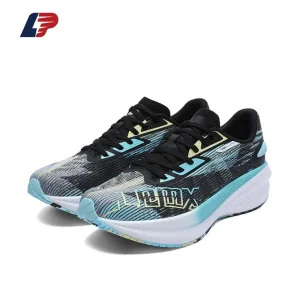
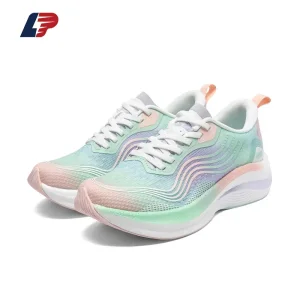
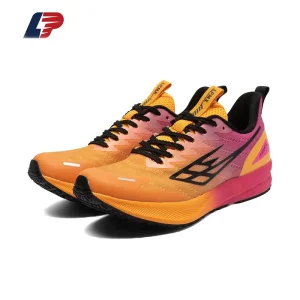
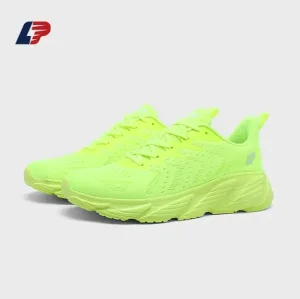
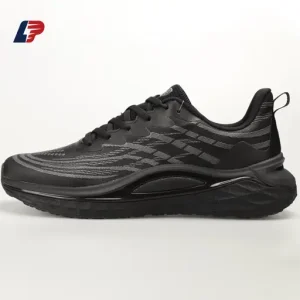
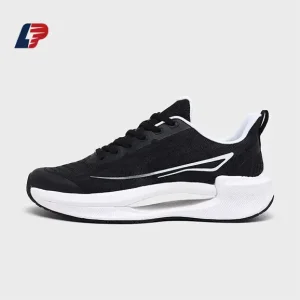
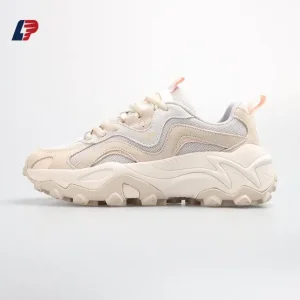
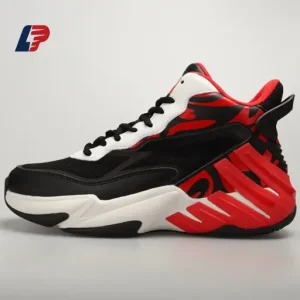
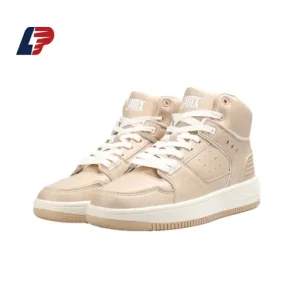
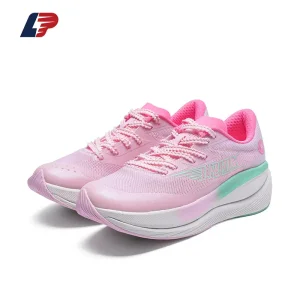
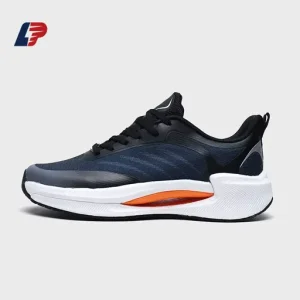
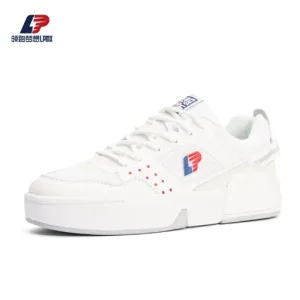
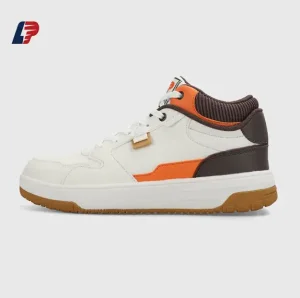
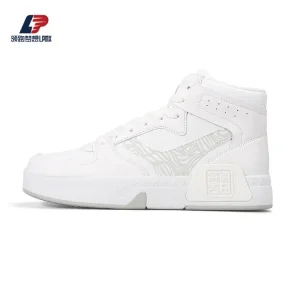
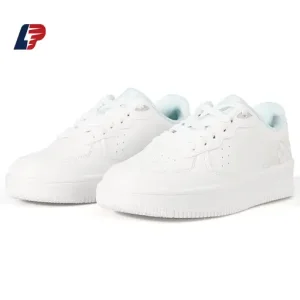
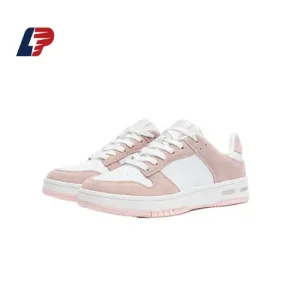
In the modern culinary environment, footwear is no longer just a standard uniform requirement; it is a critical safety tool. As a veteran in SEO Growth and Industrial Sourcing, I have observed that global buyers are shifting their focus from price-only models to "Total Cost of Ownership" (TCO) and compliance-driven procurement. China's manufacturing ecosystem, specifically regarding kitchen shoes and non-slip safety footwear, has undergone a transformation. Factories have moved beyond simple assembly to integrating advanced material science—utilizing supercritical foam technology and proprietary non-slip rubber compounds to minimize workplace injuries.
The "China Kitchen Shoes" segment is currently benefiting from Industry 4.0 advancements. Factories are no longer just producing shoes; they are engineering solutions. Key trends influencing global procurement include:
In our experience consulting for global brands, the "perfect" supplier is defined by three pillars: Quality Compliance, R&D Velocity, and Transparent Communication.
Ensuring every batch meets ASTM F1677-96 or ISO 13287 standards. Trusting a factory that invests in internal testing labs is mandatory.
The ability to pivot from ODM design concepts to mass production in under 45 days. Baiying Sports exemplifies this with 473 acres of production capacity.
Global retailers now mandate ESG transparency. Our manufacturers in China are leading the way with water-efficient dying and waste-reduction initiatives.
Q: Why are Chinese factory shoes better for the kitchen/hospitality industry?
A: Chinese manufacturers have optimized the "Cost-Performance Ratio." By controlling the entire supply chain, from sole molding to upper stitching, they offer professional-grade features—like spill-resistance and non-slip compounds—at significantly lower price points than Western equivalents.
Q: How do I verify a reliable Chinese supplier?
A: Look for established entities (like Jiangxi Baiying Sports Technology Co., Ltd.) with certified production facilities, a long track record (20+ years), and active R&D capabilities. Always request a 3rd party audit report if you are scaling.
Q: What is the lead time for OEM/ODM kitchen shoes?
A: In a optimized factory 4.0 setup, sample development takes 7-14 days, and bulk production can range from 30-60 days depending on material availability and customization complexity.
With over 20 years of experience, we operate a massive 473-acre facility, investing 1.6 billion yuan to redefine manufacturing. We don't just supply shoes; we provide a complete ecosystem for sports, professional, and lifestyle footwear. Our commitment to Innovation, Resilience, and Trust makes us the ideal partner for your global procurement needs.
Contact Our Procurement Team